
Blackpool Council: Structure, Services, Leadership, and the Future of Local Government in Lancashire
Introduction
Blackpool Council stands as one of the United Kingdom’s most recognised unitary authorities, serving residents, businesses, and millions of annual visitors in a unique coastal context. As the core local authority of Blackpool, the Council delivers a full spectrum of local government services and acts as a touchstone for regeneration, community support, and innovative governance. In late 2025, Blackpool Council faces a period of unprecedented change amid proposals to merge existing local government structures into larger unitary authorities across Lancashire – a reform that could dramatically reshape governance, service delivery, and local identity.
This in-depth, article dissects what Blackpool Council is today – its structure, key services, leadership, finances, major challenges, and ambitions – and explores in detail what could change if Blackpool Council is subsumed into a larger unitary authority for Lancashire. With close analysis of statutory documents, recent news coverage, local consultation findings, and expert commentary, this report aims to provide Blackpool residents, business owners, and stakeholders with a definitive, accessible overview.
What is Blackpool Council?
Blackpool Council is the local authority for the Borough of Blackpool in Lancashire, operating as a standalone unitary authority since 1998. This status means that, uniquely within Lancashire, Blackpool Council combines the roles of both a district council and a county council, delivering the full range of local government services – from social care and education to waste collection and transport infrastructure – within a single administrative and political structure.
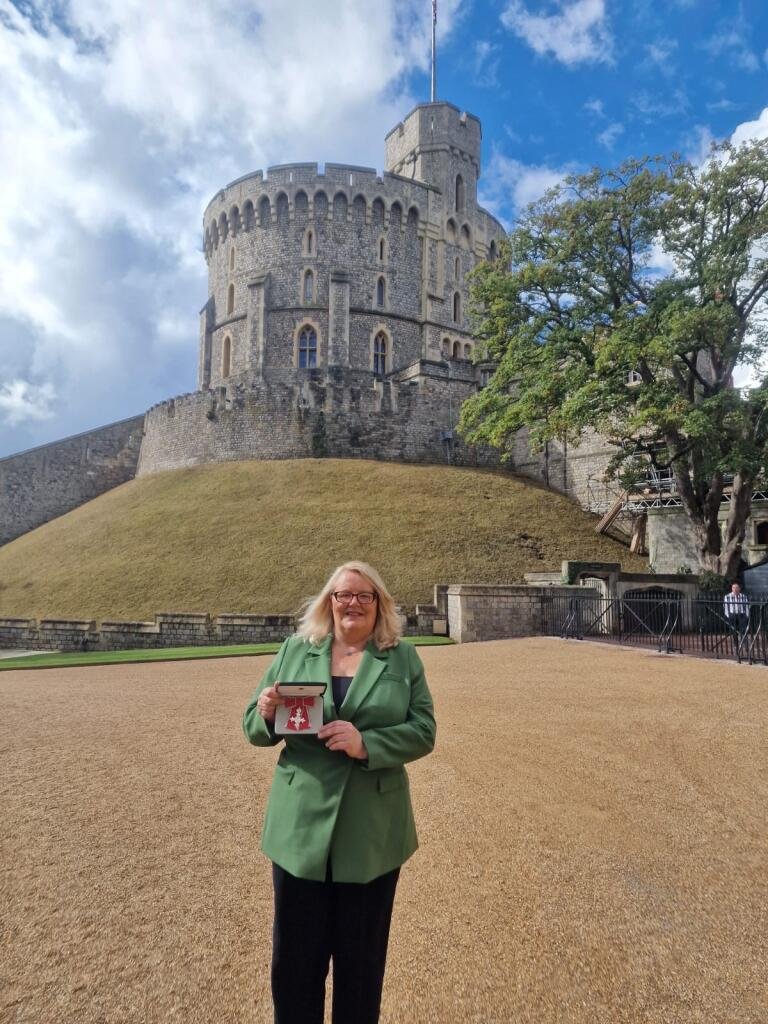
The Council serves a population of approximately 140,000 permanent residents, hosts a transient population of visitors exceeding 20 million annually, and is the lynchpin of civic, economic, and social life for the town. Since July 2020, Blackpool Council has been led by Council Leader Lynn Williams MBE, with Chief Executive Neil Jack at the administrative helm.
As of 2025, the Council operates from its historic Town Hall in Talbot Square and the modern Municipal Buildings and Bickerstaffe Square office complexes. It remains under the political control of the Labour Party, having secured a majority in every council election since its conversion to a unitary authority.
Blackpool Council’s Governance Structure
Political and Administrative Hierarchy
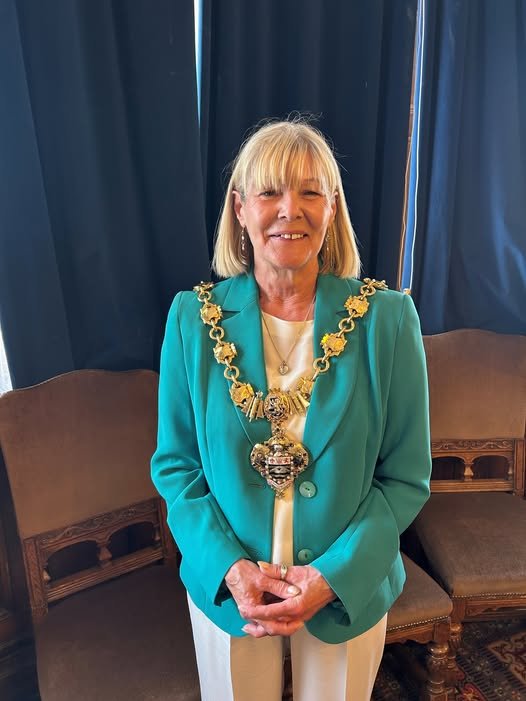
At its core, Blackpool Council operates the ‘leader and cabinet’ model, with a directly elected council of 42 councillors representing 21 wards across the borough. Each ward elects two councillors for four-year terms. The ceremonial Mayor, currently Kim Critchley (Labour, from May 2025), acts as the figurehead, but political leadership is exercised by the Council Leader and Cabinet.
The Blackpool Cabinet is responsible for executive functions, policy direction, the budget, and major programmes. Key oversight is exercised by Scrutiny Committees, an Audit Committee, Regulatory Committees (including planning and licensing), and the Health and Wellbeing Board. The Council is supported by a robust officer structure, led by the Chief Executive and a Senior Leadership Team with Directors heading each major directorate.
Current Organisational Structure
- Full Council: 42 elected members
- Leader and Cabinet: Provides political direction and executive decision-making
- Committees: Oversight, scrutiny, regulatory functions
- Chief Executive (Neil Jack): Principal adviser, organisational head
- Senior Leadership Team: Directors of Adult Services, Children’s Services, Public Health, Community & Environmental Services, Communications & Regeneration, Resources, Strategy, and Governance
This governance structure enables responsive decision-making, strong local accountability, and integration across services, all essential in a complex urban and resort context.
Transparency and Accountability
Blackpool Council operates under a detailed constitution setting out processes for decision-making, scrutiny, finance, and governance. Member and officer codes of conduct, an annual governance statement, and open data principles underpin public accountability.
Blackpool Council’s Senior Leadership Team and Pay Bands
A high-performing and transparent leadership team manages day-to-day operations. As of November 2024, the key members were:
- Neil Jack – Chief Executive
- Antony Lockley – Director of Strategy & Assistant Chief Executive
- Lorraine Hurst – Assistant Chief Executive (Governance) / Monitoring Officer
- Victoria Gent – Director of Children’s Services
- Karen Smith – Director of Adult Services
- Steve Thompson – Director of Resources
- Alan Cavill – Director of Communication & Regeneration
- John Blackledge – Director of Community & Environmental Services
- Dr Arif Rajpura – Director of Public Health
Each director is responsible for their statutory duties and delivers strategic and operational leadership within their domain – whether it’s planning major regeneration, safeguarding vulnerable residents, managing the budget, or tackling public health inequalities.
Importantly, Blackpool Council is transparent about senior pay. In the 2025 pay bands, the Chief Executive earns £160,000 – £164,999, Directors receive between £110,000 – £139,999, and Assistant Directors and Heads of Service are paid in line with responsibilities, with detailed bands published annually for public scrutiny.
Key Responsibilities and Services of Blackpool Council
Blackpool Council’s statutory and discretionary responsibilities cover the complete spectrum of local government functions, reflecting its unitary status. As such, it directly delivers or commissions over 200 services for residents, businesses, and visitors:
Social Care and Children’s Services
- Adult social care: Assessment, support for older people and those with disabilities, safeguarding, care homes, and homecare
- Children’s services: Safeguarding, fostering, adoption, early help, SEND, school improvement, and family support
- Family hubs and Better Start programmes for early childhood development
- Tackling child poverty, NEET reduction, youth offending services
Housing and Homelessness
- Regulation (selective licensing, enforcement against rogue landlords)
- Housing Company Ltd / My Blackpool Home: direct intervention in troubled housing markets, improving standards, expanding affordable homes
- Homelessness prevention and support
- Delivery of major social housing renewal (e.g., Queens Park, Troutbeck, Grange Park)
Public Health
- Local health needs assessment and strategy
- Commissioning drug, alcohol, and tobacco services and interventions to improve healthy life expectancy
- Community health and wellbeing partnership work (NHS, voluntary sector)
Education and Skills
- School admissions, place planning, strategy, and oversight of standards
- Support for special educational needs (SEND)
- Adult education, the Multiversity project, apprenticeships, work and skills academies
Economic Development, Regeneration, and Tourism
- Major regeneration and inward investment (Talbot Gateway, Central Leisure, Blackpool Enterprise Zone, DWP Civil Service Hub)
- Town centre renewal, business support, enterprise zones
- Tourism strategy, promotion, conference centre investment, Blackpool Illuminations, cultural projects (Showtown Museum, Grundy Gallery)
- Support for local businesses, economic inclusion, and employment schemes
Environment, Transport, and Community Services
- Waste collection and recycling, street cleaning, highways, street lighting
- Parks and green spaces management, leisure centres, libraries
- Climate emergency response, electric vehicle infrastructure
- Emergency planning and community safety (CCTV, licensing, enforcement, crime reduction)
Planning and Regulatory Services
- Planning applications, policy
- Building control
- Licensing
- Trading standards,
- Environmental health,
- Public protection
Customer Services and Support
- Council tax
- Business rates,
- Benefits,
- Blue Badge and support schemes,
- Digital services
- Customer contact points
Blackpool Council’s long-term plan prioritises Communities and Economy, aiming to create the UK’s leading family resort while narrowing stark health inequalities, improving jobs and homes, and building community pride.
Budget and Financial Overview
Revenue, Expenditure, and Funding
Blackpool Council manages one of the largest budgets for a unitary authority of its size, reflective of the complex social needs and investment ambitions of the town.
For 2025/26:
- Total Expenditure: £540.3 million
- Total Income: £477.7 million
- Council Tax Requirement: £80.5 million
- Council Tax (Band D, 2025/26): £2,392.21 (including precepts for police and fire)
Major Service Budget Allocations:
- Children’s Services: £162 million (30%)
- Adult Services: £121.7 million (22.5%)
- Housing: £68.4 million (12.6%)
- Community & Environmental Services: £70.8 million (13.1%)
- Treasury Management: £43.6 million (8.1%)
- Resources, Public Health, and others: remainder
These proportions highlight Blackpool Council’s above-average commitment to social care and housing relative to national comparators – a reflection of deep social need in the town.
Major Sources of Funding
Blackpool receives a mix of local taxation, government grants (including £140m in Levelling Up Funding since 2020, and a £200m Business Loans Fund), business rates, and income from trading operations. The Council has deployed reserves strategically and, despite entering into long-term borrowing to fund regeneration, maintains a secure financial position, with debt service carefully managed against asset value and income streams.
As of early 2025, the Council held around £25 million in reserves, a prudent position for risk mitigation; its borrowing is largely invested in regeneration assets, with DWP, hotels, and other civic schemes expected to deliver long-term returns.
Digital Transformation and Financial Planning
Blackpool Council has been an early adopter of Software-as-a-Service (SaaS), using the OneCouncil ERP solution to improve efficiency and real-time financial planning – especially important given ongoing budget constraints.
Blackpool Council’s Strategic Plans and Vision
2024–2027 Council Plan
The latest Blackpool Council Plan (2024–2027) outlines a vision of Blackpool as the UK’s number one family resort; a thriving, healthy, and proud community. Priority areas are:
- Communities: Support for children & families, health & social care access, community safety, housing quality, reducing deprivation
- The Economy: Regeneration, skills & employment, business support, sustainable tourism, digital transformation
Ambitious projects include the delivery of a £50m Multiversity campus, further phases of affordable housing renewal, public transport upgrades (new tramway, electric bus fleet), significant visitor attraction developments, and climate/security infrastructure investments.
Partnership and Place Leadership
The Pride of Place Partnership, integrating Blackpool Council, businesses, community groups, and central government departments, coordinates holistic interventions in housing, health, education, and regeneration – showcasing Blackpool as a local government leader in place-based renewal.
Current Challenges Facing Blackpool Council
Blackpool Council’s scale and responsibilities mirror the town’s acute challenges:
Deprivation and Health Inequality
- Blackpool remains England’s most deprived town, with 8 of the 10 most deprived neighbourhoods nationally in inner Blackpool
- Life expectancy in Blackpool is ten years below the national average. Over 29% of children live in relative poverty, and the town has England’s highest rates of adult smoking and drug-related deaths
- Large transient populations, high benefit claimancy, poor-quality private rental housing, seasonal employment, and high rates of physical and mental health conditions drive persistent public service demand
Housing Market Dysfunction
- Half of all central households are in poor quality, privately rented accommodation, with widespread absentee landlords and high levels of government-subsidised rent
- The legacy of converted B&Bs and HMOs causes community instability and social problems, obstructing the Council’s wider regeneration and public health ambitions
- Blackpool is pioneering selective licensing, direct housing investment, and Decent Homes Standard enforcement with government support, but the challenge remains formidable
Education, Skills, and Aspirations
- GCSE-level attainment lags behind national averages, with high exclusion rates and low progression to higher education
- Many young people are classified as NEET, facing structural barriers to employment and higher skill jobs
Financial, Demand and Recruitment Pressures
- Like many UK councils, Blackpool faces relentless inflationary and demand-side cost pressures; children’s and adult social care account for the majority of all funding
- Recruiting and retaining skilled staff – especially in social care and education – remains difficult in competition with the private sector and in the face of workforce exhaustion
Climate Change and Infrastructure
- As a major coastal authority, climate resilience – including flood defences, coastal protection, and greener transport – demands sustained investment
Major Achievements and Regeneration Initiatives
In the face of adversity, Blackpool Council has overseen one of England’s most ambitious place renewal programmes in recent years:
- Economic Regeneration: £2bn in regeneration investments, the creation of over 5,800 jobs since 2017, and delivery of landmark projects (DWP Civil Service Hub, £65m Multiversity, major hotel and cultural venue investments, Blackpool Enterprise Zone)
- Housing Renewal: Over 750 substandard dwellings refurbished through My Blackpool Home, with major social housing schemes replacing obsolete blocks and expanding affordable homes
- Education Improvement: 94% of primary schools rated ‘good’ or better, with Ofsted ‘Outstanding’ further education provision
- Tourism and Culture: Modernisation of the Blackpool Illuminations, world-class conference and events spaces, and support for a vibrant night-time and cultural economy
- Community Innovations: Successful Claremont and Revoe regeneration pilots, investment in health inequalities through joint NHS-Council programmes, and place-based digital inclusion schemes
Local Government Reorganisation: The Lancashire Unitary Proposal
National Context and Government Policy
The UK government’s 2024 White Paper and subsequent correspondence have set a clear direction: to dissolve all remaining two-tier local government in England and establish larger, more resilient unitary authorities, typically serving populations of 500,000 or more. For Blackpool Council, this heralds a potential end to its independence as a standalone unitary, with the future shaped by the reorganisation process alongside neighbouring districts and Lancashire County Council.
What is Being Proposed?
- Replacement of Two-Tier System: The present system, where Lancashire County Council oversees strategic services and districts deliver local provision, would be replaced by a smaller number (potentially 2–5) of larger unitary councils for the whole county
- Blackpool Council’s Current Unitary Status: Although Blackpool is already a unitary council, it is expressly included in the current reorganisation proposals, with the strong prospect of its services and governance being merged into a much larger Lancashire-wide or sub-county authority
- Consultation and Implementation Timetable: Final proposals are to be submitted by November 2025, with a government-led consultation in early 2026, establishment of ‘shadow’ authority elections in May 2027, and formal vesting day on 1 April 2028
Drivers and Objectives
Government aims include:
- Achieving financial sustainability, resilience and stronger governance;
- Simplifying structures for efficiency and strategic capacity;
- Unlocking devolution and investment;
- Improving service delivery, value for money, and outcomes for residents;
- Maintaining strong identity and local engagement.
Proposals must demonstrate evidence for these outcomes, including detailed consideration of services such as social care and SEND, community representation, transition management, and partnership working.
Comparison: Blackpool Council Now vs Post-Merger Unitary Authority
| Feature | Blackpool Council (current) | Merged unitary authority (proposed) | Service impact (for residents) | Decision locus (who decides) |
|---|---|---|---|---|
| Governance | Leader and Cabinet; town‑focused committees | Regional cabinet or mayoral model; wider‑area committees | Quicker, town‑specific decisions; clearer local mandate | Primarily Blackpool councillors; local scrutiny panels |
| Service delivery | Localised services tailored to Blackpool’s needs | Centralised services across multiple towns/boroughs | Higher customisation; potentially faster local fixes | Service directors reporting to Blackpool leadership |
| Funding | Blackpool‑only budget and priorities | Pooled regional budget; shared investment priorities | Focused spend on town priorities; limited scale advantages | Budget set by Blackpool; local oversight committees |
| Accountability | Directly elected Blackpool councillors | Shared representation across a larger geography | Clearer lines of responsibility to local voters | Local ward members, cabinet portfolio holders |
| Identity | Distinct Blackpool civic identity | Broader regional identity; less town‑specific focus | Strong branding and place‑based initiatives | Communications and strategy led within Blackpool |
| Strategic planning | Town‑level regeneration and economic plans | Region‑level strategy; cross‑boundary projects | Focused on seafront, tourism, and local corridors | Planning committee(s) rooted in Blackpool wards |
| Transport | Local highways and transport schemes | Integrated regional transport planning | Targeted fixes to local congestion and maintenance | Highways decisions within town remit |
| Public health | Blackpool‑specific health and wellbeing programmes | Regionally coordinated public health initiatives | Programmes tailored to local deprivation profile | Director of Public Health accountable locally |
| Housing | Town‑focused housing strategy and licensing | Wider regional housing allocations and policy | Sharper tools for local housing challenges | Housing committee and local enforcement |
| Waste & environment | Local collections, recycling, and enforcement | Standardised regional contracts and schedules | Flexible to local needs and pilots | Environmental services directed locally |
While the merged authority offers scope for strategic capacity and efficiency, it risks diluting Blackpool’s focused place-based approaches, local representation, and the responsiveness of services finely attuned to the town’s unique urban, social, and economic context. Loss of direct Blackpool control over housing, public health, and social care – where the Council has piloted innovation – may have long-term impact on the ability to tackle deeply embedded local challenges.
Potential Governance Changes Post-Reorganisation
Size and Democratic Representation
New unitary authorities will be much larger, with fewer elected councillors per population. Blackpool’s 42-strong council would be replaced by a minority representation within a larger body, potentially with 60–100 members for an area covering up to 500,000 or more residents. Decision-making structures, political leadership, and committee roles will be recast, and local identity could be overshadowed by the need to balance diverse interests across larger, heterogeneous geographies.
Service Aggregation and Harmonisation
Aggregating services – especially social care, education, and housing – poses complex challenges. Past reorganisations show that legacy systems, policies, and local approaches can persist for years, creating ‘postcode lottery’ disparities and lengthy transition periods where harmonisation is incomplete.
Employee Transition and Organisational Culture
Staff from Blackpool Council, Lancashire County, and all affected districts would enter a period of uncertainty, with risks of redundancy, harmonisation of pay and conditions, and a loss of accumulated local knowledge and pride. Integration of IT, HR, and finance systems is costly and time-consuming, and cultural differences between merging organisations can impede progress.
Community Engagement and Accountability
Larger authorities often struggle to maintain strong resident engagement and democratic accountability, which can be more easily achieved by smaller councils. Experiences from North Yorkshire, Cumbria, and others underline the imperative for new unitary authorities to develop robust area committees, locality boards, and mechanisms to prevent further alienation of communities.
Impact on Service Delivery
Risks and Opportunities
Risks:
Loss of local knowledge may undermine targeted interventions (e.g., Claremont, Revoe)
Services may become standardised/equitable by geography but less flexible to community needs
Potential disruption as legacy systems, contracts, and strategies are merged
Opportunities:
Possible economies of scale (back-office, procurement)
Strategic coordination across housing, transport, and economic growth
Pooling of financial reserves and borrowing capacity for larger investment projects
Government guidance stresses that safe transfer of statutory responsibilities – especially in social care and public health – should override all else, and that partnership working and risk mitigation must be embedded from the start.
Evidence from Other Reorganisations
Cost savings from LGR are often overstated and can take 3–5 years to materialise, with upfront costs substantial and successful savings dependent on strong programme management.
Service quality and financial performance can dip during the transition, and harmonisation of policies (e.g., housing allocations, waste, council tax) can be politically and technically problematic.
Political Implications of a Blackpool Council Merger
Representation
The move to a larger unitary body would likely reduce the number of Blackpool-based councillors and the town’s direct influence over decisions. For residents used to direct, responsive representation, this could affect the perception and reality of local democracy and accountability.
Party Politics and Local Priorities
In the current Blackpool Council, Labour holds the majority, with the political focus aligned closely to Blackpool’s specific issues. In a unitary Lancashire authority, more diverse political interests—including rural Conservative areas—may alter priorities. Blackpool’s urban, coastal challenges could compete with the different needs of market towns and rural parishes. There is clear risk of priorities for regeneration, special educational needs, homelessness or social care being displaced by louder, more powerful or more numerous voices from other areas.
Public Response and Stakeholder Views
Resident Consultation and Engagement
Extensive public consultations (Autumn 2025) have invited residents, businesses, and stakeholders to give feedback on the LGR proposals. Early indications show:
- Residents value local engagement, the responsiveness of Blackpool Council, and the ability to influence decision-making
- Concerns include potential dilution of Blackpool’s voice, loss of local identity, disruption to services, reduced visibility of elected representatives, and possible increases in council tax or losses in service quality
- Some business stakeholders see bigger authorities as capable of more strategic leadership, while others worry about decision-making delays and risk aversion in mega-councils
Local Government Sector Perspectives
- The County Councils Network supports unitary reorganisation for sustainability, with necessary scale for long-term savings and strong tax bases
- The District Councils’ Network cautions against “remote mega-councils” risking loss of connection to local communities
- The Local Government Association and other sector bodies urge careful management of transition, democratic safeguards, and the creation of robust local area arrangements within new unitaries
Blackpool Council’s Own Position
Leadership stresses the need to protect the integrity of Blackpool’s place-based strategies, the achievements of the Pride of Place Partnership, and the focused work on health, housing, and regeneration – work that may be less effectively delivered by a distant regional bureaucracy.
Resistance from Other Districts
Some neighbouring districts (e.g., Wyre, Fylde, Burnley) have expressed strong reluctance to merge with Blackpool, concerned about inheriting financial liabilities, diverse social challenges, and competing priorities. Political resistance could complicate merger negotiations and implementation.
Anticipated Timeline and Implementation Process
- Interim Proposals: Spring 2025 – Initial options development and consultation
- Final Proposal Submission: 28 November 2025
- Government and Parliamentary Decisions: Early-mid 2026
- Public Consultation: Early-mid 2026
- Shadow Unitary Council(s) Elections: May 2027
- Transition Period: 2027-28 (with existing councils delivering business as usual while implementing change)
- Vesting Day – New Council(s) Take Over: 1 April 2028
The transition period will demand careful programme management, dedicated resources, and strong partnership working to ensure continuity and improvement in crucial services.
More From Blackpool News
Locals Also like Blackpool Bargains and Discounts
You might also find useful Blackpool Tip Opening Times & Information
Recent Comments