£13 Billion Wiped Off UK Banks – What It Means for Borrowers and Businesses in Blackpool

💷 £13 Billion Wiped Off UK Banks – What It Means for Borrowers and Businesses in Blackpool
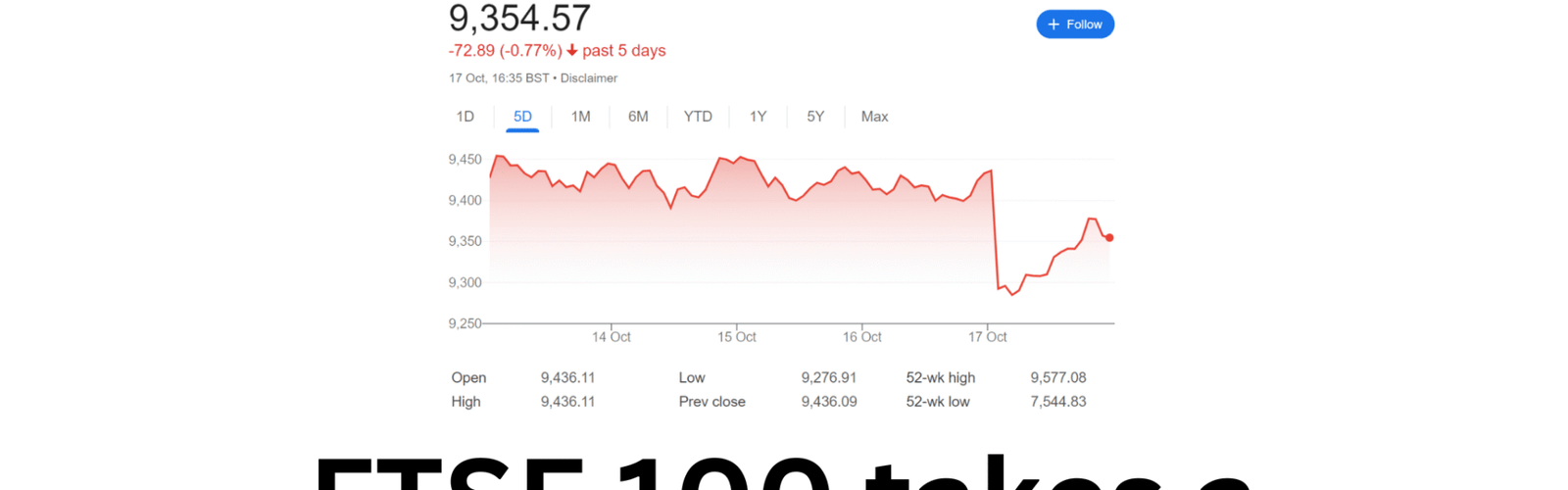
This week saw a dramatic £13 billion wiped off the value of Britain’s biggest banks, including Barclays, NatWest and Lloyds. The sell‑off was triggered by fresh fears in the American banking sector, but the shockwaves were felt here in the UK – and they could have real consequences for everyday borrowers and small businesses in Blackpool.
What does “wiped off” mean?
When the headlines say billions have been “wiped off” UK banks, it doesn’t mean debts have been forgiven. It refers to the stock market value of those banks falling as investors sell shares. While it’s a paper loss for shareholders, it can still affect how confident banks feel about lending and how much risk they’re willing to take.
Why does this matter locally?
For households and businesses in Blackpool, the knock‑on effects can be significant:
- Mortgages and loans – If banks feel under pressure, they may tighten lending criteria or increase rates on new mortgages, business loans and credit cards.
- Small business finance – Local firms relying on overdrafts or short‑term borrowing could find credit harder to access, or more expensive.
- Savings and pensions – Many pension funds are invested in bank shares, so volatility can dent long‑term savings.
- Public finances – If the banking sector stumbles badly, history shows the taxpayer often ends up footing the bill.
The bonus question
The timing has raised eyebrows. Only weeks after the government loosened rules on banker bonuses, banks are once again facing turbulence. Critics argue that loosening bonus caps encourages risk‑taking – and when risks go wrong, it’s ordinary people who pay.
What can borrowers and businesses do now?
While no one can control global markets, there are practical steps local people can take: - Review your borrowing – If you’re on a variable‑rate mortgage or business loan, check what a rate rise would mean for your monthly payments.
- Lock in where possible – Fixed‑rate mortgages or fixed‑term business loans can provide certainty if markets remain volatile.
- Build a buffer – Even a small cash reserve can help households and businesses weather short‑term shocks.
- Shop around – Don’t assume your current bank is offering the best deal. Independent lenders, credit unions and challenger banks may have better terms.
- Stay informed – Keep an eye on Bank of England announcements, as changes to the base rate directly affect borrowing costs.
The Blackpool picture
For a town like Blackpool, where many small businesses rely on seasonal trade and flexible credit, stability in the banking system is crucial. A wobble in London or New York can quickly filter down to the high street here. That’s why it’s vital for local firms and households to stay alert, plan ahead, and not be caught off guard.
👉 Bottom line: £13 billion wiped off UK banks doesn’t just matter to investors – it matters to every borrower, saver and small business in Blackpool. By reviewing finances now and taking sensible precautions, households and firms can protect themselves against the uncertainty ahead.